 DapurRenyah Inspirasi Resep Makanan Simpel | Resep Masakan Rumahan Sehari Hari
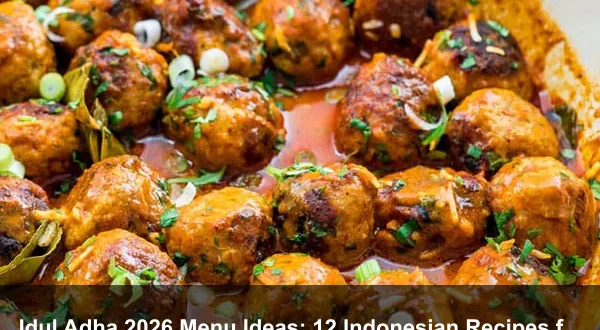
Why Idul Adha 2026 Menu Searches Are Rising in Indonesia
Idul Adha is one of the most important food moments in Indonesia because it combines worship, family gathering, neighborhood sharing, and the practical question that appears in millions of kitchens: what should we cook with fresh qurban beef and goat today? For 2026, the timing is especially relevant because Indonesia’s official holiday calendar lists Idul Adha 1447 H on Wednesday, 27 May 2026, with a collective leave day on Thursday, 28 May 2026, according to the Kementerian Sekretariat Negara announcement. The final religious determination may still follow the official process, but from a menu-planning perspective, Indonesian families can already prepare around a midweek holiday and a likely extended cooking window.
This is why search interest around Resep Masakan, qurban meat recipes, goat dishes without strong odor, and beef menu ideas usually grows before and during Idul Adha. People are not only looking for festive food. They are looking for practical answers: which dish can be cooked quickly after meat distribution, which recipe works for tough cuts, how to reduce the smell of goat meat, what menu is suitable for children, and how to make the same qurban package feel varied over several days.
The main topic, Idul Adha 2026 Menu Ideas: 12 Indonesian Recipes for Fresh Qurban Beef and Goat, answers that search intent directly. The recipes below are designed for Indonesian homes, with familiar spices such as shallots, garlic, coriander, turmeric, galangal, lemongrass, salam leaves, lime leaves, coconut milk, kecap manis, chilies, and candlenuts. The dishes range from fast-grilled sate to slow-cooked rendang, from comforting soups to freezer-friendly bakso. Use them as a flexible guide depending on the cut of meat you receive, the number of guests, and the cooking tools available in your kitchen.
How to Handle Fresh Qurban Beef and Goat Before Cooking
Fresh qurban meat is different from packaged supermarket meat. It may arrive warm, freshly cut, and in mixed pieces. Before choosing a recipe, spend a few minutes sorting it properly. This simple step affects flavor, tenderness, hygiene, and how efficiently you can cook for a full household.
Sort the Meat by Cooking Method
Separate the meat into three basic groups. Tender, lean pieces are ideal for sate, tumis, or quick pan dishes. Meat with connective tissue, ribs, shank, or bone is better for sop, gulai, rawon, or tongseng. Fatty trimmings can be used in small amounts to enrich broth, krengsengan, or fried rice, but avoid using too much fat in coconut milk dishes because the result can feel heavy.
Avoid Common Fresh Meat Mistakes
Many Indonesian households wash meat under running water out of habit. For storage, it is better to pat the meat dry with clean kitchen tissue and keep it in covered containers or food-grade plastic. Washing can spread bacteria around the sink and make the surface wetter, which may shorten storage quality. If you must rinse because of visible debris, clean the sink area afterward and cook the meat soon. For goat meat, do not soak it too long in water. Instead, use aromatics such as lime leaves, ginger, lemongrass, and spices during cooking.
Plan a Three-Day Menu Flow
A smart Idul Adha menu plan prevents waste and makes the food feel fresh. On the first day, cook quick dishes such as sate, tongseng, or sop because everyone wants something festive immediately. On the second day, use tougher cuts for rendang, gulai, rawon, or semur. On the third day, turn leftovers into nasi goreng kambing, shredded beef toppings, dendeng, or bakso. This approach fits Indonesian family habits, especially when meat distribution happens at different times in the day.
12 Indonesian Recipes for Fresh Qurban Beef and Goat
The following recipes are written as practical menu ideas rather than rigid restaurant formulas. Each one includes the best meat cut, flavor profile, and cooking tips so you can adapt it to the qurban beef or goat you have at home.
1. Sate Kambing Bumbu Kecap
Best for: tender goat pieces, small cubes, family grilling. Sate kambing is often the first recipe people search for during Idul Adha because it feels festive, social, and fast. Cut goat meat into small cubes, then marinate with crushed garlic, coriander, a little white pepper, sweet soy sauce, lime juice, and a spoon of oil. Some cooks add grated pineapple for tenderness, but use it briefly, around 10 to 15 minutes, because too much pineapple can make the texture mushy.
Thread the meat onto skewers with a little fat between pieces for aroma. Grill over charcoal if possible, brushing with kecap manis mixed with margarine or oil. Serve with sliced shallots, bird’s eye chilies, tomato, lime, and warm rice or lontong. For a lighter family version, pair it with cucumber acar. The key is high heat and short cooking time so the goat stays juicy instead of dry.
2. Sate Sapi Maranggi
Best for: lean beef cubes, sirloin-like cuts, or tender qurban beef. Sate maranggi from West Java is a strong choice for Idul Adha because the meat is already seasoned before grilling, so it does not rely only on peanut sauce. Blend shallots, garlic, coriander, galangal, tamarind water, palm sugar, salt, and kecap manis. Marinate beef cubes for at least one hour, or overnight in the refrigerator if you are planning ahead.
Grill until lightly charred, then serve with sambal tomat, sliced shallots, and steamed rice. The sweet, tangy, savory profile works well for Indonesian palates and is friendly for guests who do not want coconut milk. If the beef is slightly tough, slice it smaller across the grain. For a modern home kitchen, a grill pan can work, but a charcoal grill gives the best aroma.
3. Gulai Kambing
Best for: goat ribs, bone-in cuts, mixed pieces, and meat with some fat. Gulai kambing is one of the most searched Idul Adha recipes because it transforms stronger goat cuts into a rich, aromatic dish. The spice paste usually includes shallots, garlic, turmeric, ginger, coriander, cumin, candlenuts, and chilies. Cook the paste until fragrant, then add lemongrass, salam leaves, lime leaves, cinnamon, cardamom, cloves, and the goat meat.
Add water first and simmer until the meat softens before adding coconut milk. This prevents the coconut milk from breaking during long cooking. Use medium-low heat and stir occasionally. The result should be savory, warm, and layered, not just spicy. Serve with rice, fried shallots, lime, and sambal. For a cleaner taste, skim excess oil from the top before serving. Gulai is ideal for a large pot shared with neighbors or extended family.
4. Tongseng Kambing
Best for: goat slices, leftover sate meat, or small mixed cuts. Tongseng is a practical Idul Adha dish because it cooks faster than gulai and includes vegetables, usually cabbage and tomato. Start with a spice paste of shallots, garlic, candlenuts, turmeric, ginger, coriander, and pepper. Saute with lemongrass, salam leaves, and lime leaves, then add goat meat and cook until the surface changes color.
Add water or light broth, a splash of coconut milk if desired, kecap manis, cabbage, tomato, and chilies. The flavor should be sweet, savory, slightly spicy, and aromatic. Tongseng is very suitable for Indonesian households that want a warm dish without waiting hours. If cooking for children, keep whole chilies separate and add sambal at the table. Serve it immediately so the cabbage still has texture.
5. Rendang Daging Sapi
Best for: beef chunks from tougher cuts, shoulder, shank meat without too much tendon, or mixed lean pieces. Rendang is a classic qurban beef recipe because slow cooking turns firm meat into deeply seasoned, long-lasting food. Blend shallots, garlic, red chilies, ginger, galangal, turmeric, and candlenuts. Cook with coconut milk, lemongrass, turmeric leaf if available, lime leaves, and beef chunks.
The secret is patience. Start with enough coconut milk to cover the meat, simmer gently, and stir more frequently as the liquid reduces. For a wetter family meal, stop at kalio, when the sauce is thick but still moist. For darker rendang, continue cooking until the oil separates and the spices cling to the meat. Rendang is excellent for Idul Adha 2026 because it can be cooked in a large batch and served over several meals. It also travels well if you want to send food to relatives.
6. Semur Daging Betawi
Best for: beef cubes, slightly fatty cuts, and family meals with children. Semur daging is gentler than many spicy qurban dishes, making it useful when your guests include children or older family members. The seasoning is built from shallots, garlic, nutmeg, pepper, kecap manis, and sometimes cloves or cinnamon. Brown the beef lightly, add the spice paste, then simmer with water until tender.
Potatoes are optional but very helpful when feeding a crowd. They absorb the sauce and stretch the dish without making it feel less special. The final flavor should be sweet-savory with warm spice, not overly sugary. Serve semur with steamed rice, acar timun, emping, or a simple vegetable soup. In search-intent terms, this is one of the best answers for people looking for olahan daging sapi kurban yang tidak pedas.
7. Rawon Surabaya
Best for: beef brisket-like cuts, shank, ribs, or bone-in beef for broth. Rawon is a deeply Indonesian choice for qurban beef because it uses kluwek, giving the soup its dark color and earthy flavor. The spice paste includes shallots, garlic, kluwek flesh, coriander, turmeric, candlenuts, and chilies. Saute the paste with lemongrass, lime leaves, and salam leaves before adding beef and water.
Simmer until the beef is tender and the broth tastes rounded. Rawon is traditionally served with rice, bean sprouts, salted egg, sambal, lime, and fried shallots. It is a strong menu idea when you receive bone-in beef because bones add body to the broth. Make sure the kluwek is good quality and not bitter in a harsh way. If you are new to cooking rawon, start with a moderate amount of kluwek, then adjust depth after tasting.
8. Sop Kambing Bening
Best for: goat ribs, bones, shank, and pieces that need gentle boiling. Not every Idul Adha dish has to be heavy with coconut milk. Sop kambing bening is lighter, comforting, and suitable for lunch after prayer or for dinner when the family wants something warm but not too rich. Boil goat pieces briefly, discard the first cloudy water if needed, then continue simmering with fresh water, ginger, garlic, pepper, nutmeg, cloves, cinnamon, and celery.
Add carrots, potatoes, tomatoes, and spring onions near the end. Serve with lime, fried shallots, emping, and sambal kecap. The broth should taste clean, aromatic, and slightly sweet from the bones and vegetables. This dish is especially useful for households that want to reduce the strong aroma of goat meat without relying on too many chilies. Keep the heat low after boiling so the broth stays clearer.
9. Soto Daging Madura
Best for: beef slices, offcuts, brisket, or mixed qurban beef. Soto daging Madura is a strong search-friendly recipe because it feels familiar across Indonesia and can be served for breakfast, lunch, or dinner. The spice paste usually includes shallots, garlic, turmeric, ginger, coriander, pepper, and candlenuts. Simmer beef until tender, slice it, then return it to the broth with the sauteed spices, lemongrass, and lime leaves.
Serve with rice or lontong, boiled eggs, celery, fried shallots, lime, and sambal. Some versions add koya made from crackers and garlic for a thicker, savory finish. Soto is practical for large families because the broth can be prepared first, while toppings are arranged separately. It also helps stretch a modest amount of beef into many servings without making the dish feel plain.
10. Dendeng Balado
Best for: lean beef slices, top round-style cuts, or meat you want to preserve longer. Dendeng balado is ideal when you have lean qurban beef and want a dish that stays flavorful after frying. Slice beef thinly across the grain, boil with garlic, coriander, salt, and a little tamarind until just tender, then pound lightly to flatten. Fry until the edges are crisp but not rock hard.
For the balado, roughly grind red chilies, shallots, tomato, and salt, then saute until fragrant. Toss the fried beef with the sambal just before serving if you want it crisp, or simmer briefly in the sambal if you prefer a softer texture. This recipe works well with rice, sayur daun singkong, cucumber, and warm tea. It is also a smart second-day menu because the flavor remains bold even after reheating.
11. Krengsengan Daging
Best for: beef or goat chunks, slightly fatty cuts, and small mixed pieces. Krengsengan is popular in East Java and deserves more attention in Idul Adha menu planning because it is simpler than rendang but still rich and satisfying. The key ingredients are petis udang, kecap manis, shallots, garlic, candlenuts, coriander, pepper, chilies, and sometimes tomato. Saute the spice paste, add meat, then cook with kecap manis and enough water to tenderize.
The sauce should become glossy, savory, sweet, and slightly sticky. Petis gives krengsengan its distinctive depth, so use a good brand and start with a small amount if your family is not used to it. This dish is excellent with hot rice and fresh cucumber. For goat meat, add ginger and lime leaves to keep the aroma balanced. Krengsengan is also useful when the meat pieces are uneven because slow simmering makes them more forgiving.
12. Bakso Sapi Homemade
Best for: lean beef, especially if you can grind it finely. Bakso is one of the most practical long-tail Idul Adha recipes because it turns fresh beef into a freezer-friendly family favorite. Use cold lean beef, crushed ice, garlic, salt, white pepper, and tapioca starch. The mixture needs to be processed until smooth and elastic. If you do not have a food processor, ask a local meat grinder service or market vendor to grind the beef very finely.
Shape the mixture into balls and cook them in hot water that is not aggressively boiling. When the bakso floats and feels springy, transfer it to broth. Serve with noodles, bihun, mustard greens, celery, fried shallots, sambal, and vinegar. Homemade bakso is useful for families who receive more beef than they can cook immediately. Freeze cooked bakso in portions, then reheat for quick meals after the holiday.
Best Side Dishes and Condiments for Idul Adha Menus
A strong Idul Adha meal is not only about meat. Indonesian tables feel more balanced when rich beef and goat dishes are paired with fresh, sour, spicy, and crunchy elements. This is especially important because qurban menus often include coconut milk, fat, and sweet soy sauce.
- Acar timun: cucumber, carrot, shallot, chili, vinegar, sugar, and salt. Best with sate, semur, and krengsengan.
- Sambal kecap: kecap manis, sliced chilies, shallots, tomato, and lime. Best with sate kambing, sop kambing, and grilled beef.
- Sambal ijo or balado: useful for rendang, dendeng, and rice-based meals.
- Fresh lalapan: cucumber, kemangi, cabbage, and lettuce to lighten heavy dishes.
- Simple vegetables: sayur bening, urap, stir-fried greens, or capcay to balance protein-heavy menus.
For rice options, steamed white rice is the most universal, but lontong works well for sate, gulai, and soto. Nasi uduk can be delicious with semur or dendeng, while plain rice is better for rendang and rawon because those dishes already carry strong seasoning.
Smart Buying and Pantry Preparation Before Idul Adha 2026
Even though qurban meat is distributed during the holiday, the supporting ingredients should be bought before the rush. In Indonesia, prices of chilies, shallots, garlic, coconut milk, charcoal, skewers, and food containers can rise or become harder to find near major holidays. A trend-aware cooking plan should include a pantry checklist, especially if you are hosting relatives or preparing food for neighbors.
Essential Spice Checklist
Stock shallots, garlic, red chilies, bird’s eye chilies, candlenuts, coriander, cumin, turmeric, ginger, galangal, lemongrass, salam leaves, lime leaves, pepper, nutmeg, cloves, cinnamon, kecap manis, tamarind, coconut milk, salt, palm sugar, and cooking oil. If you plan to make rawon, buy kluwek early. If krengsengan is on your list, prepare petis. If sate is your first-day menu, buy bamboo skewers and charcoal before the holiday.
Storage Supplies Matter
Prepare food-grade plastic bags, airtight containers, labels, and freezer space. Label packages by date and cut type, for example beef for rendang, goat ribs for sop, or lean beef for bakso. Small portions freeze and thaw faster than large blocks. This makes daily cooking easier and reduces the risk of repeatedly thawing the same meat.
How to Match Recipes With the Meat You Receive
One challenge with qurban meat is that you may not choose the exact cut. The best strategy is to match texture to method. Tender lean pieces should not be wasted in long coconut milk stews if they can become excellent sate. Bone-in cuts should not be forced into quick stir-fries because they need time to release flavor and soften. Tougher pieces are not a problem when handled correctly; they often produce the best soups and slow-cooked dishes.
- Lean beef cubes: sate maranggi, semur, rendang, soto, or bakso.
- Beef ribs or bones: rawon, sop, soto broth, or gulai-style soup.
- Goat ribs: gulai kambing, sop kambing bening, or tongseng.
- Small goat pieces: sate kambing, tongseng, krengsengan, or nasi goreng kambing.
- Very lean slices: dendeng balado or stir-fried beef with chilies.
- Mixed fatty trimmings: use sparingly for broth, fried rice, or flavoring; do not make them the main ingredient in already rich dishes.
This matching approach is useful for readers searching the combined query Resep Masakan Indonesia Idul Adha 2026 menu ideas because it solves the real kitchen problem behind the keyword. People need more than a recipe name. They need to know which recipe fits the meat in front of them.
Food Safety and Reheating Tips for Indonesian Homes
Because Idul Adha cooking often happens in large batches, food safety matters. Keep raw meat separate from cooked food, wash knives and cutting boards with soap after handling raw meat, and refrigerate meat as soon as possible if it will not be cooked immediately. In Indonesia’s warm climate, meat should not sit at room temperature for hours.
For cooked dishes, divide large pots into smaller containers before refrigerating so they cool faster. Coconut milk dishes such as gulai, tongseng, and rendang should be reheated until properly hot, not just warm. Soups should be brought back to a boil before serving. If a dish smells sour, looks unusually foamy, or has been left out too long, do not rely on extra spices to fix it. Safety is more important than saving one portion.
Leftovers can become new meals. Rendang can be shredded for fried rice or sandwich filling. Sate meat can be sliced into nasi goreng. Sop broth can become noodle soup. Semur sauce can be used with boiled eggs or tofu. Bakso can be frozen for quick school-day meals after the holiday. This practical reuse angle fits modern Indonesian households that want festive food without waste.
Frequently Asked Questions About Idul Adha 2026 Menu Ideas
What is the easiest qurban beef recipe for beginners?
Semur daging is one of the easiest because the spice list is shorter, the flavor is familiar, and the cooking process is forgiving. If the beef is still tough, you can simply simmer it longer. Soto daging is also beginner-friendly if you prefer soup.
What is the best goat recipe without a strong smell?
Sop kambing bening and tongseng are good choices. Use ginger, lemongrass, lime leaves, salam leaves, and enough cooking time. Avoid soaking goat meat in water for too long. Strong odor is usually managed better through aromatics and proper cooking than through excessive washing.
Can fresh qurban meat be cooked immediately?
Yes, many Indonesian families cook it immediately, especially for sate or soup. However, if you have time and refrigeration space, resting meat for several hours in the refrigerator can improve texture. For tough cuts, slow cooking is more important than immediate freshness.
Which recipes are best for a crowd?
Gulai kambing, rawon, soto daging, sop kambing, semur, and rendang are excellent for crowds because they can be cooked in large pots. Sate is festive but needs more active grilling time, so it works best when several people help.
Rendang, semur, rawon broth, soto broth, dendeng, and bakso can be prepared ahead. In fact, rendang and semur often taste deeper the next day after the spices settle into the meat.
Conclusion: Build a Flexible, Search-Smart Idul Adha 2026 Menu
Idul Adha 2026 menu planning in Indonesia is not just about choosing impressive dishes. It is about responding to the real rhythm of the holiday: fresh qurban meat arrives, families gather, kitchens get busy, and everyone searches for reliable Resep Masakan that fit beef, goat, time, budget, and taste. The best plan is flexible. Cook quick dishes like sate kambing, sate maranggi, tongseng, or sop on the first day. Save slow-cooked recipes like rendang, gulai, rawon, and semur for tougher cuts. Turn lean beef into dendeng or bakso when you want longer-lasting meals.
With the right spices, safe handling, and a clear match between meat cut and cooking method, fresh qurban beef and goat can become more than one big holiday meal. They can become a thoughtful series of Indonesian dishes: smoky, soupy, spicy, sweet-savory, coconut-rich, or freezer-friendly. Use these 12 menu ideas as a practical Idul Adha 2026 guide for family meals, neighborhood sharing, and search-driven cooking inspiration that fits Indonesian homes.